
Order one in Aberdeen and you ask for a rowie. Elsewhere it is a buttery, and either way what you get is a flat, flaky, salty bread roll about the size of your palm, with butter and lard folded right through the dough. It is eaten at breakfast, usually toasted, and it belongs to the north east of Scotland in a way very little other baking does.
Rowie, buttery or Aberdeen roll
Three names, one roll. In Aberdeen and the villages around it, including this one, rowie is the word you will hear. Further south, buttery takes over. Bakeries and supermarkets sometimes hedge and label them Aberdeen rolls so that nobody is confused.
If you are visiting and want to sound like you have been here before, ask for rowies. If you say buttery, you will still get the right thing.
What one is actually like
Think of a croissant that has been flattened, made savoury and given a good deal more salt. The layers are there, and the flakiness is there, but a buttery is denser and chewier than a croissant and it does not shatter when you pick it up.
The saltiness is the part that surprises people. A buttery is not a sweet pastry with a savoury accident. It is properly salted bread, and that is why it works so well with jam or syrup on top.
They are irregular. A buttery is a handmade thing, pushed out by hand rather than cut, so no two are the same shape and no two bakers make them the same.
What goes into one
Flour, yeast, salt, sugar, water, and a mix of butter and lard. The fat is the whole argument. It is worked into the dough in stages and folded between rests, the same lamination that gives a croissant its layers, except that the fat here is pushed in with the fingertips rather than laid on in a sheet.
Traditionally that fat is butter and lard together. A fair number of commercial bakers now use vegetable fat or palm oil instead, which is cheaper and gives a longer shelf life, and which is also why a supermarket buttery and one from a local baker can taste like different products.
Where they came from
The story usually told is that butteries were baked for the fishermen sailing out of Aberdeen harbour, who needed something that would not go stale over two weeks at sea and that carried enough fat to keep them going while they worked. It is a good story and it fits the roll. I would not present it as settled history, because it is tradition rather than documented fact, and butteries were being eaten here long before anybody thought them worth writing about.
What is not in doubt is that this is working food. It is filling, it keeps, and it was on the table in this part of Scotland long before it was on anybody's menu as a novelty.
How people here eat them
Toasted, or under the grill, and then buttered. Which is a strange thing to do to something already made mostly of butter, and everybody does it anyway.
After that you choose. Jam is common. Golden syrup has a loyal following. Marmalade turns up. A good number of people eat them cold, straight from the bag, with a cup of tea and no ceremony about it.
One warning worth having. The fat in a buttery holds heat, so a freshly toasted one is a lot hotter inside than it looks. Give it a minute.
A buttery is a breakfast item here, not an afternoon one, and it is bought fresh. Bakers all over Aberdeen and the north east make their own, and every supermarket in the region has them. They vary, so if you try one and it does nothing for you, try one from somewhere else before you write the whole thing off.
Butteries at Cove Bay
We keep Aberdeen butteries at breakfast, and you are welcome to ask for one. They sit alongside a breakfast cooked to order, with cereals, fruit, yoghurt and juices out on the buffet table.
What matters is that they are there, because a guest who has come to the north east for the first time should get the chance to eat the local thing at the local time of day, without having to go and find a bakery at seven in the morning.
If you want the other north east speciality that catches visitors out, that is skirlie, and it turns up on our Sunday roast. There is a whole article on what skirlie is if you would rather know before it appears on your plate.
Coming to try one
We are at 15 Colsea Road, in the old fishing village of Cove, just off the Aberdeen ring road on the south side of the city. The city centre train and bus stations are about fifteen minutes away by taxi, and the nearest bus stop is 250 metres from the door. Directions and a map are on the find us page.
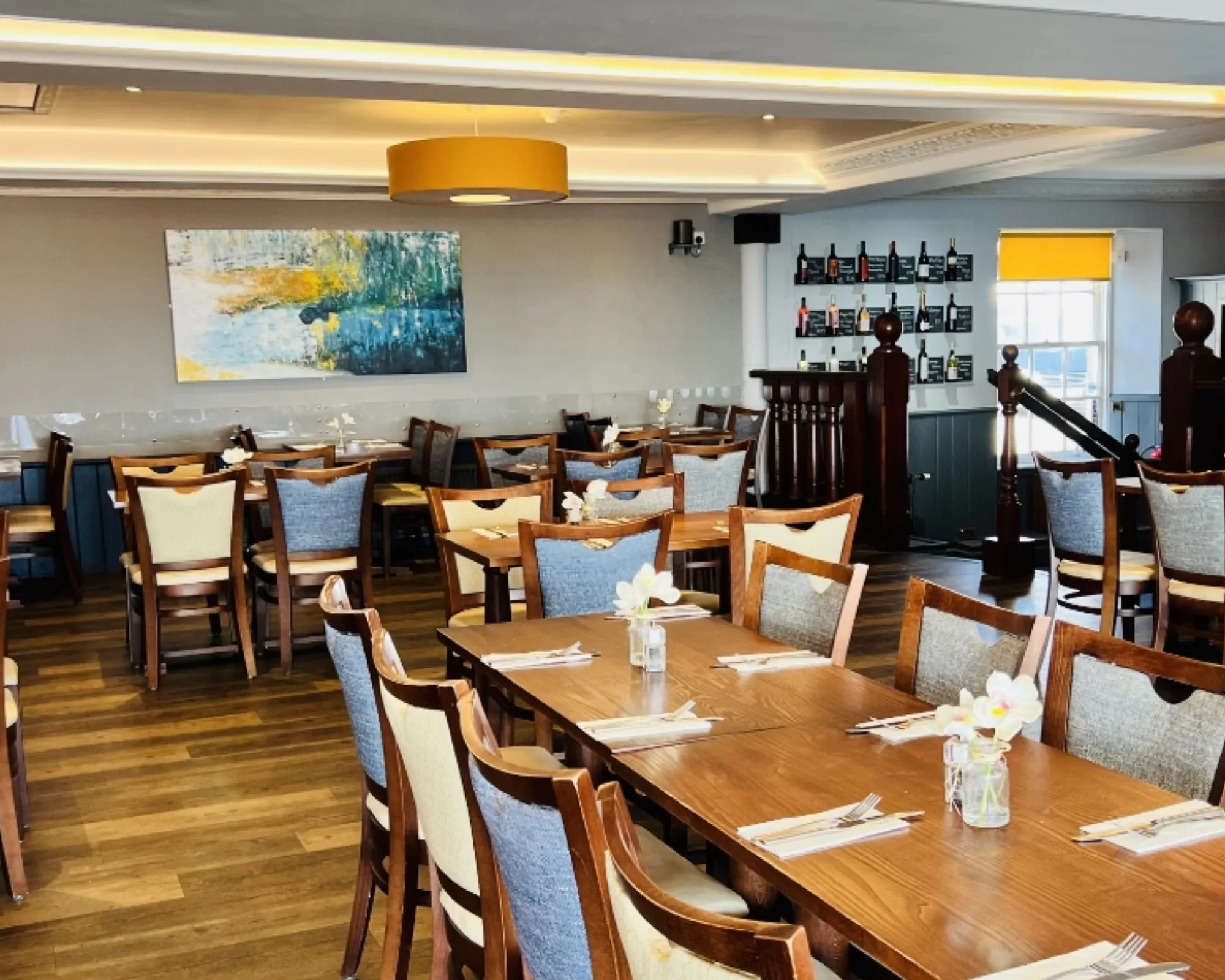
Breakfast is served downstairs each morning, and the rooms are all set out on the rooms page. Ask for a buttery when you come down and somebody will sort you out.
- A buttery is a flat, flaky, salty bread roll from the north east of Scotland, made by folding butter and lard through a yeasted dough.
- In Aberdeen itself most people call it a rowie, and you will also see it sold as an Aberdeen roll.
- It is closer to a savoury croissant than to a morning roll, and it is eaten toasted with butter, jam or golden syrup, or plain with tea.
- The story usually told is that butteries were baked for Aberdeen fishermen who needed bread that would last a fortnight at sea, though that origin is tradition rather than documented fact.
- We keep Aberdeen butteries at breakfast for guests who ask for one.
Questions people ask
What is an Aberdeen buttery?+
A flat, round, flaky bread roll made with flour, yeast, salt, sugar and a lot of fat, traditionally butter and lard folded through the dough in layers. It is savoury and noticeably salty, and it is a north east of Scotland speciality rather than a Scottish one.
What is the difference between a rowie and a buttery?+
Nothing at all. It is the same roll under two names. Rowie is what most people say in Aberdeen and the surrounding area, buttery is more common elsewhere, and some bakeries label them Aberdeen rolls.
Are butteries the same as croissants?+
No, although the lamination method is similar. A croissant is light, curved and slightly sweet. A buttery is flat, dense, chewier and salty, and it is made with lard as well as butter in the traditional recipe.
How do you eat a buttery?+
Most people toast or grill it and add butter, jam or golden syrup. Plenty eat them cold with nothing on at all. Take care with a freshly toasted one, because the fat in it holds the heat and they come out far hotter than they look.
Where can you buy butteries in Aberdeen?+
Bakers across Aberdeen and the wider north east make their own, and the supermarkets in the region stock them on the bread shelves. Every bakery has its own version, so they vary in size, saltiness and how flaky they are.